London in One Day
Only one day in London? Here’s how to see as much as possible.
Although I had visited the city a few times, my friend had never been to London and wanted to see as much as possible in the one day we had between flights. We took a 6:00 am train from Newport, Wales, and dropped our luggage at our hotel, the Montcalm Chilworth Townhouse, near Paddington Station. We grabbed a quick breakfast at the hotel buffet and hit the ground running.
At the start, we did not plan to go inside any museums or attend any events or shows. The one exception was my friend’s wish to see the changing of the guard at Buckingham Palace. I had never done that and agreed to schedule our morning around it. We also decided along the way to watch a Parliament session and briefly check out the National Gallery.
If you want to see the city in one day, a guided tour of the British Museum will not be in the cards this time. However, you can decide on a museum or two to briefly visit during the day and book a show in the West End for the evening. Leave a little flexibility in your plans for one or two short activities that you come across.
Kensington Gardens
King Henry VIII acquired Hyde Park for hunting in the 1500s. In 1689, when King William III and Queen Mary decided to build Kensington Palace, they took a portion of the park to create Kensington Gardens. In 1728, Queen Caroline, enhanced the landscape by adding an artificial lake. The land was first opened to the public in 1841.
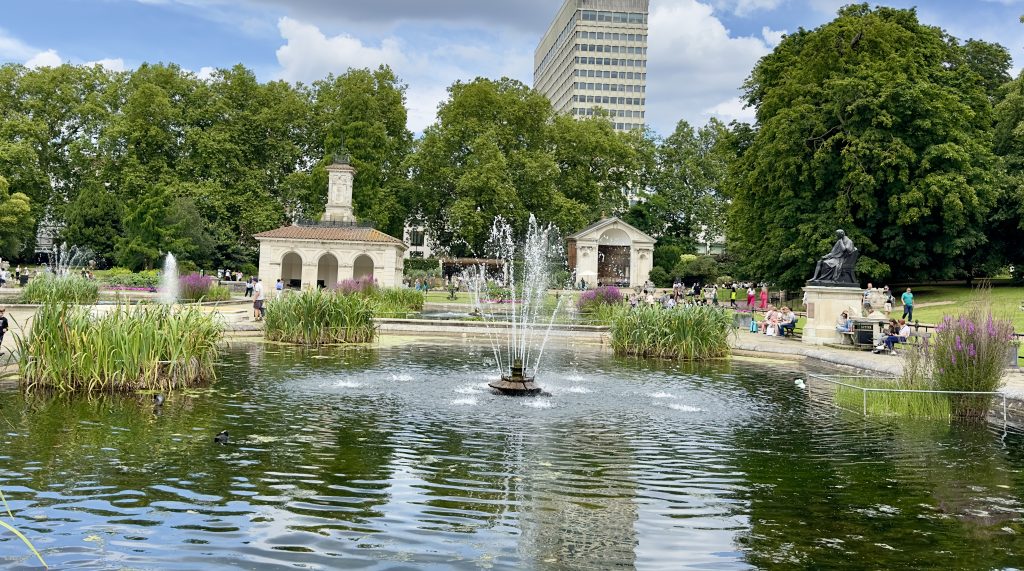
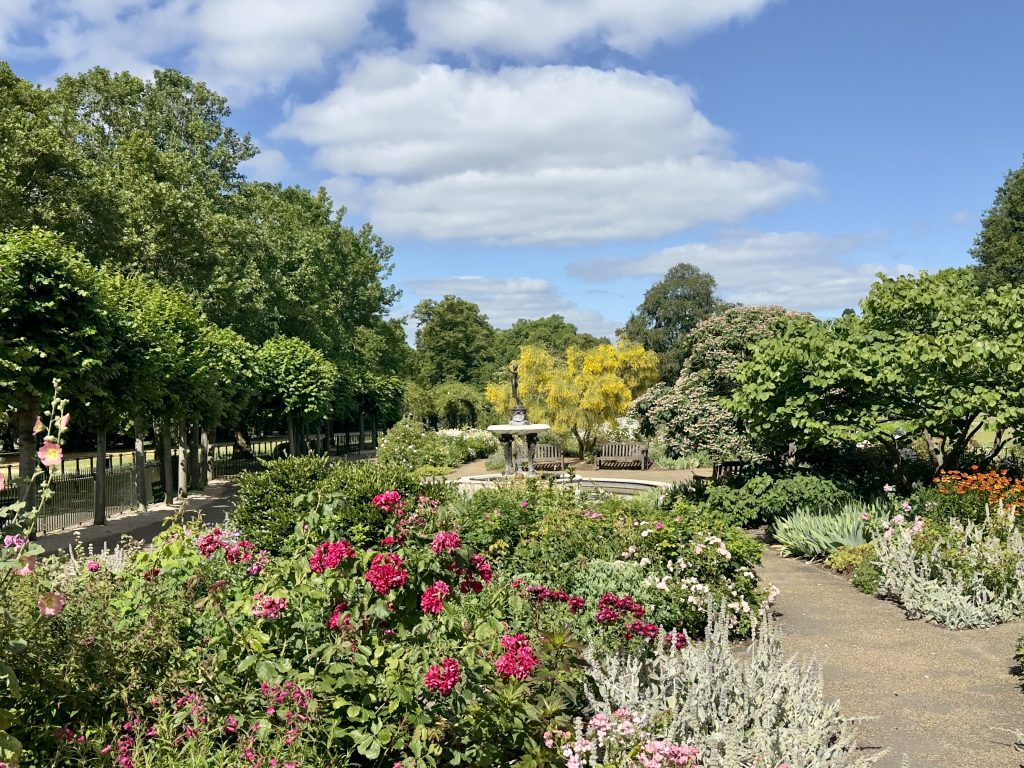
We started the day in the Italian Gardens in the northeast corner of Kensington Gardens. Amidst the gorgeous flowers and fountains, we found a great blue heron posing on the edge of a pond. Queen Victoria commissioned this garden in 1861, along with the grand monument for her recently deceased husband, Albert.
We strolled down Budge’s Walk toward the palace and enjoyed watching all the dogs being walked in the park. We gazed up at the towering trees, wondering what they witnessed over the centuries.
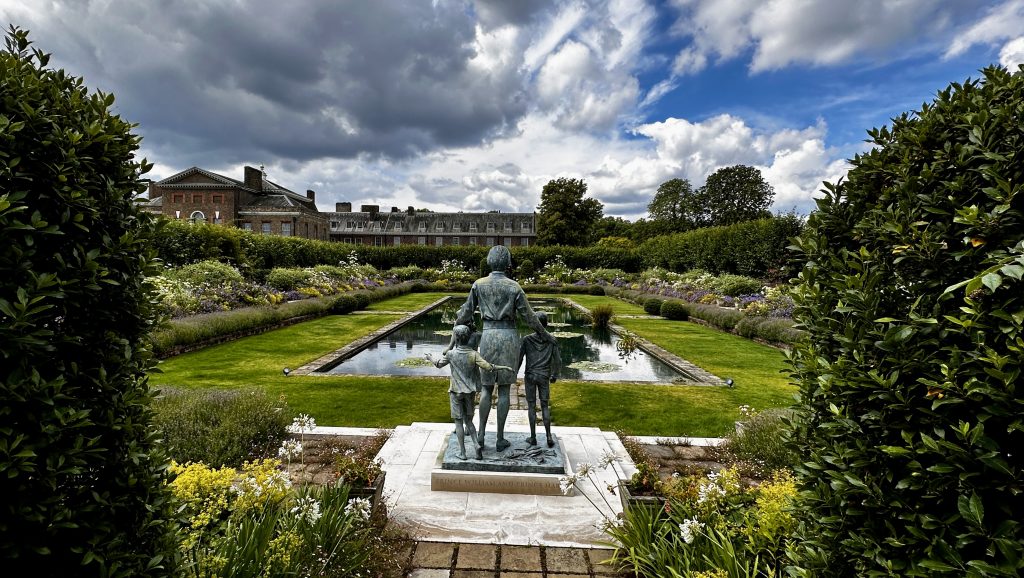
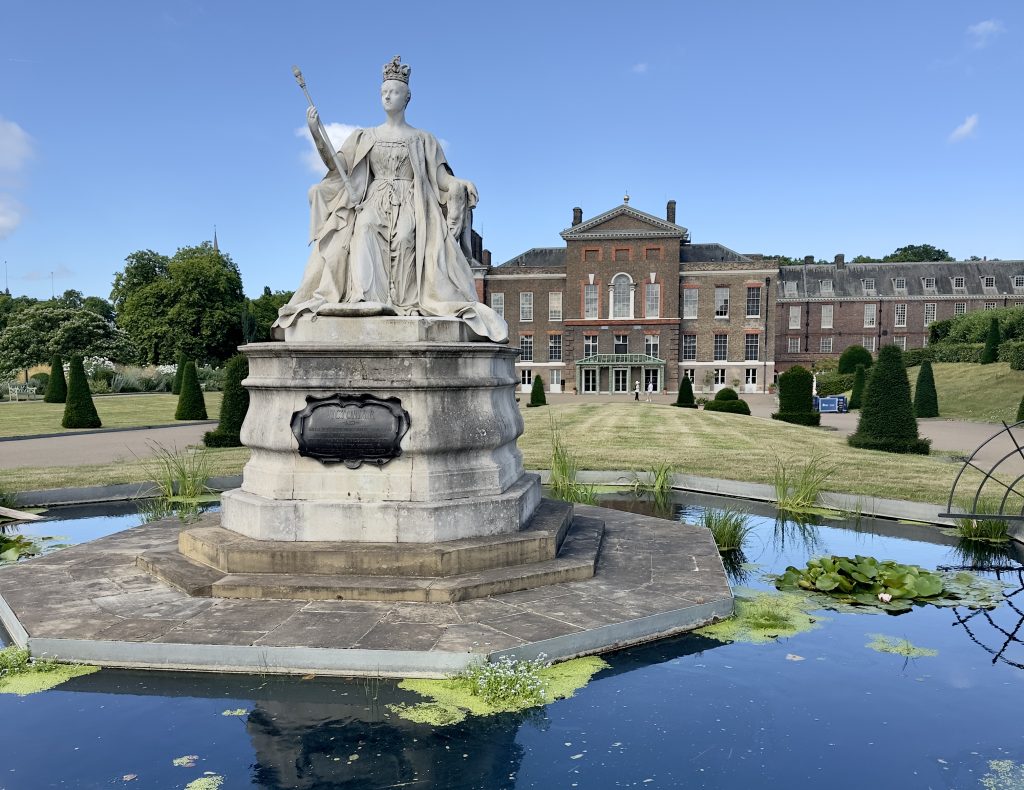
On the far side of the Round Pond, Queen Victoria perches, surveying her lands. Next to this, the Sunken Garden hosts a stunning statue of Princess Diana overlooking gorgeous flowers. This part of the park is only open from 10 am to 6 pm.
Hyde Park
As we headed toward Buckingham Palace, we walked through Hyde Park. The 350-acre park offers diverse paths to enjoy the abundance of flora and fauna. We walked along the Serpentine Lake, visited by many waterfowl, and stopped in to smell the blooms of the Rose Garden.
Buckingham Palace
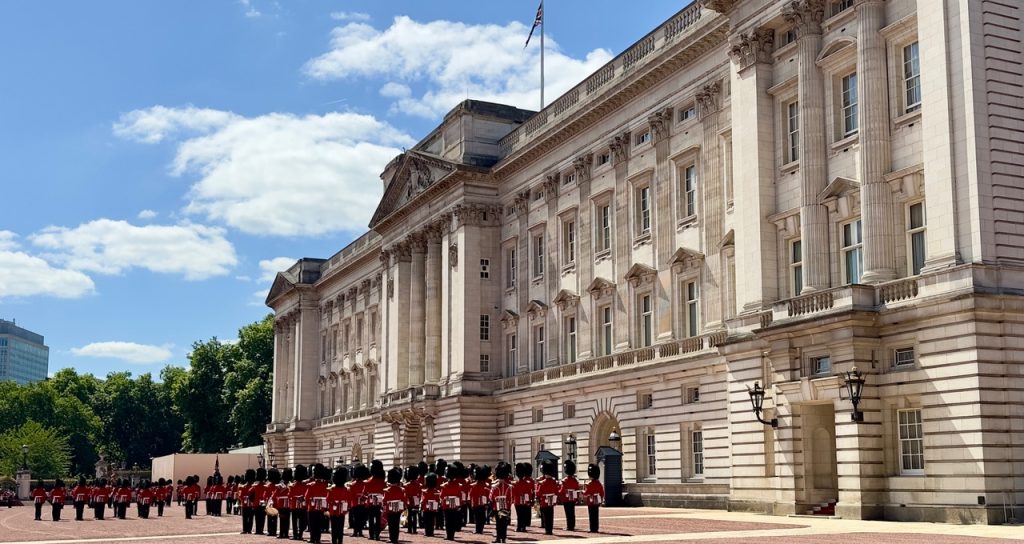
The changing of the guard at Buckingham Palace is one of the iconic tourist activities in London. I had never seen it, and my friend had it on her wish list, so we planned our morning around it. The ceremony happens every Monday, Wednesday, and Friday at 11:00 am.
Fortunately, we were in the city on a Monday and reached the gates outside the palace at 10:00 am. People already lined the fence around the courtyard and gathered on the steps of the Victoria Memorial across the street. By the time we left, the crowds jammed the sidewalks and the memorial. If you want a good spot, arrive a little before 10:00 am and be prepared to stand waiting until the guard marches down the street at 10:45.
The guard marched along Constitution Hill and along the Mall. If you do not want to be crushed in the crowd, stand along these streets. You likely will not be able to see the ceremony, but you can still hear the bands and see some of the pomp.
The ceremony consisted mainly of the two sections: the guard marching around the palace forecourt and the bands playing various tunes.
Book a 2-hour walking tour that includes watching the changing of the guard ceremony by clicking here.
Westminster Abbey
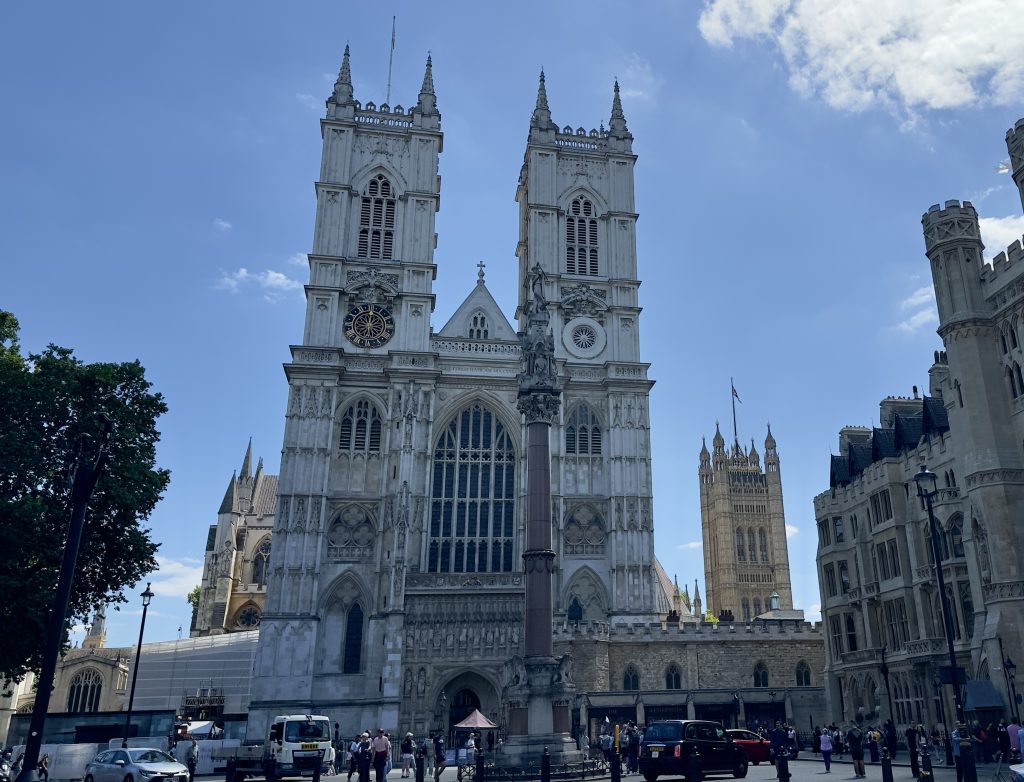
The Westminster Abbey was begun in the 13th century and has hosted every coronation and 16 royal weddings. It is an exquisite example of Gothic architecture, with soaring arches and ornate decorations. It houses over 3000 burials with many monuments to royals and prominent figures.
Purchase your tickets in advance for a specific time to enter the church. My friend and I merely admired the Abbey from the outside, but I have been inside on an earlier visit, and it is worth exploring.
Big Ben and Parliament
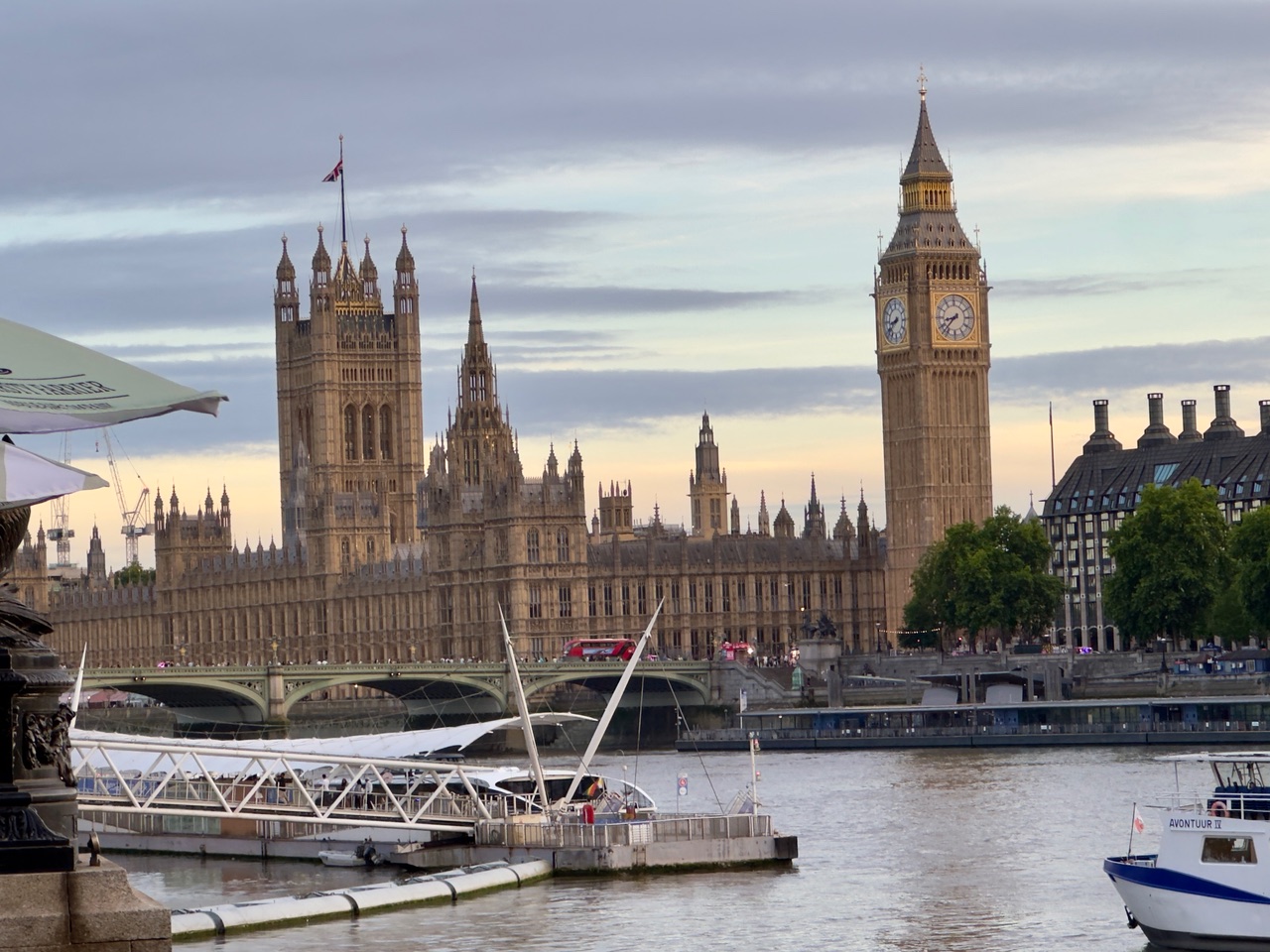
Most of the time, when someone tries to picture London, Big Ben is the first image that comes to mind. This is the nickname for what was once the Clock Tower but was renamed Elizabeth Tower in 2021 for the Queen’s Diamond Jubilee. The bells have been chiming four times per hour since the 1860s.
Visitors can tour the bell tower, but the experience lasts 90 minutes and includes climbing 335 steps which likely will not fit into a jammed pack schedule. Tickets are released three months in advance and cost 55 pounds for adults if you decide you can’t miss this.
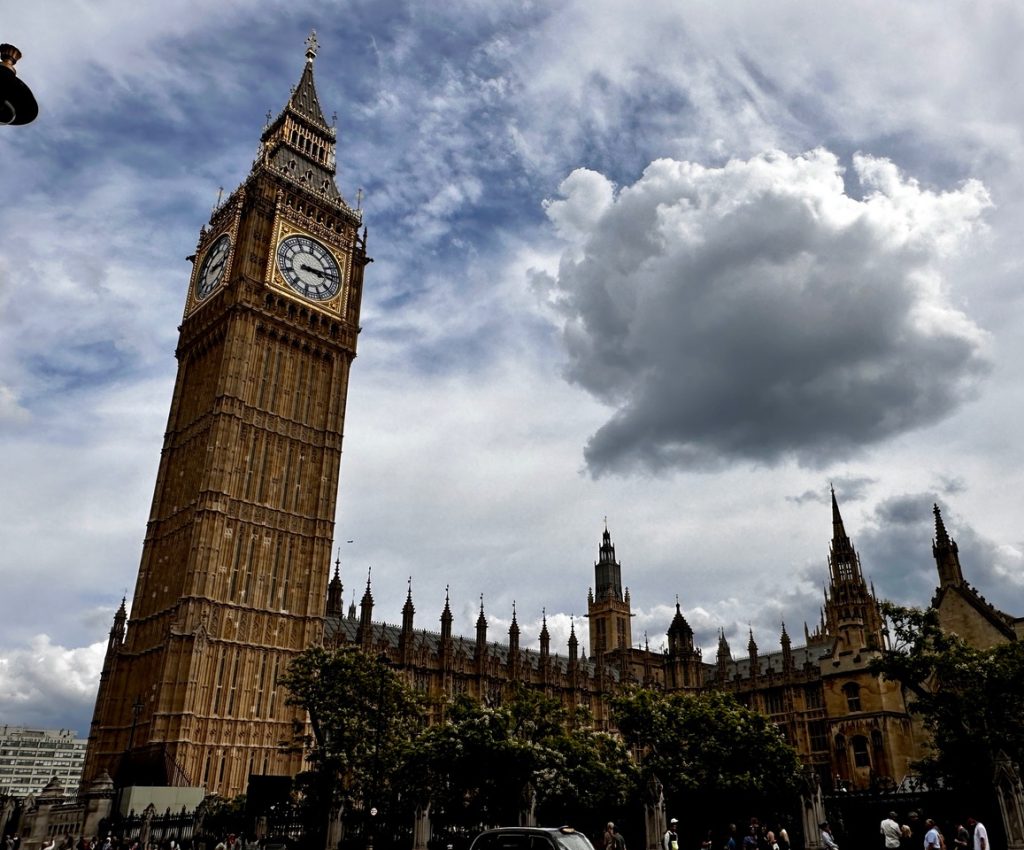
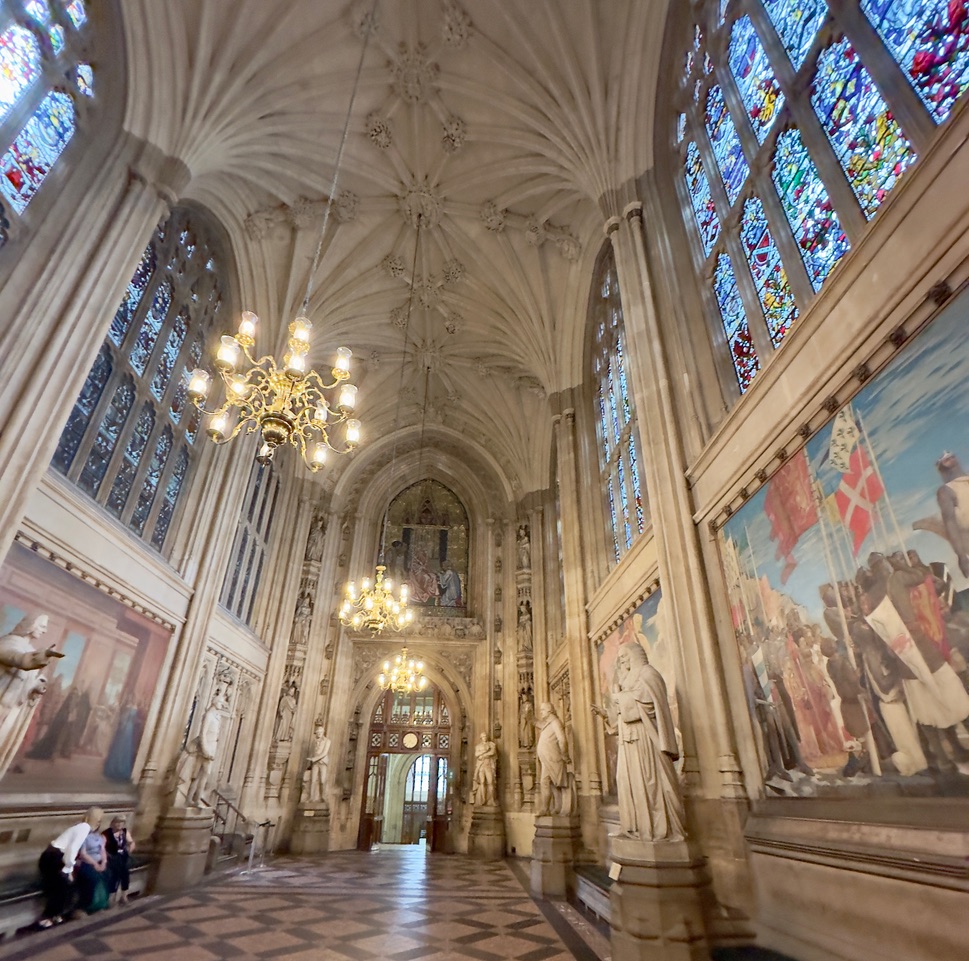
Next to Big Ben, Westminster Palace stretches along the bank of the Thames. The massive structure was built in 1854 in a stunning, golden Gothic style with multiple spires. You can book a tour of Westminster Hall, the House of Commons, and the House of Lords.
My friend and I were interested in watching a session of Parliament, so we approached the entrance gate of the palace. The attendant advised us that the session would occur that afternoon. We continued our tour of the city, then returned in the late afternoon. After going through security and checking our bags and cell phones, we sat in the viewing area above the floor of the house and watched the debate on a couple of laws.
Lunch at The Red Lion
The next step on our agenda was to pass by 10 Downing Street, the residence of the Prime Minister. Guards have the street blocked off, so we could barely see the building.
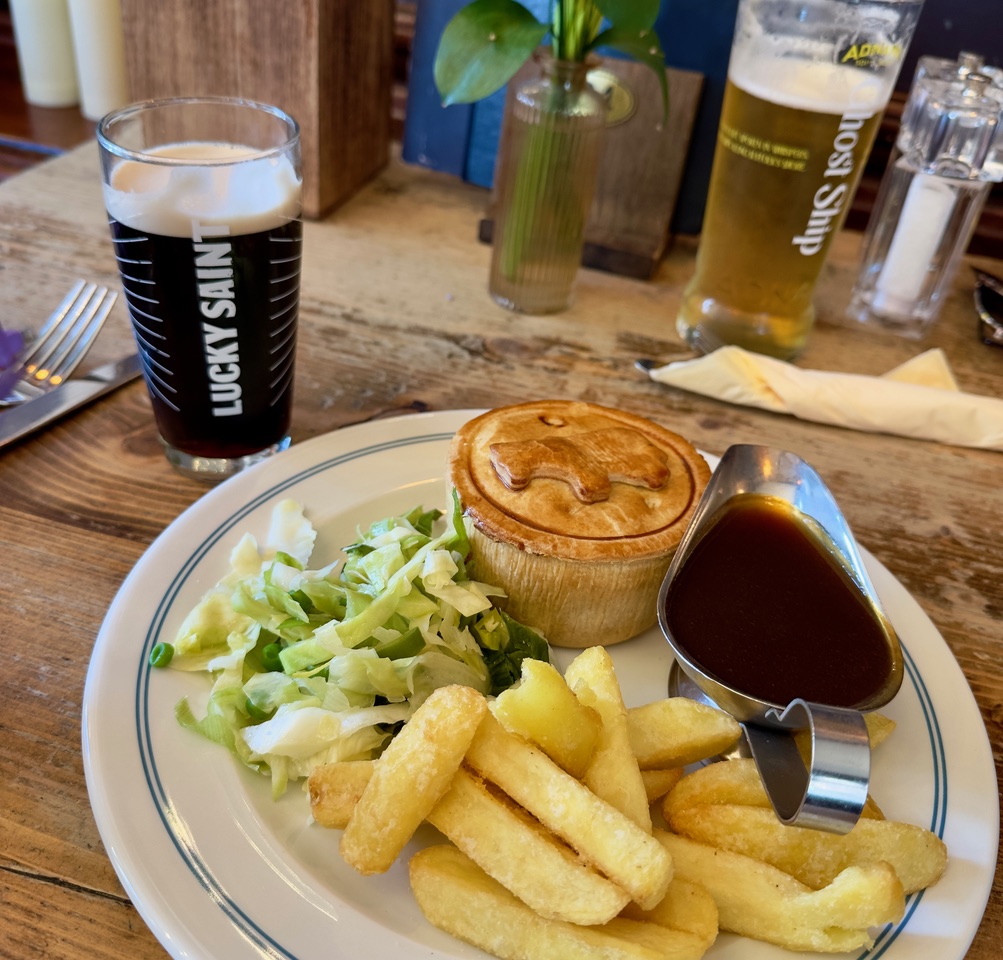
Along Parliament Street at Derby Gate, however, sits a perfect stop for lunch, The Red Lion. This pub has been serving patrons for almost 600 years, with many famous figures, including Charles Dickens and many prime ministers, patronizing the site.
I believe this was the only time in my life that I enjoyed eating a pot pie. The fries and beer really hit the spot as well.
St. Paul’s Cathedral
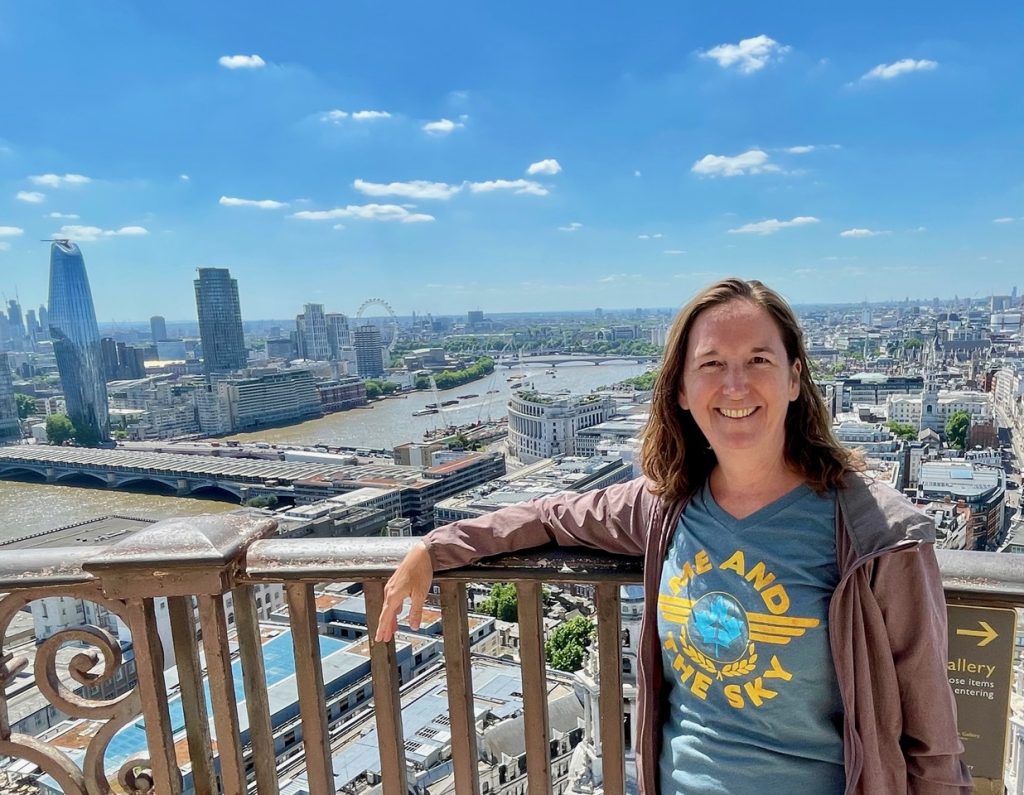
If you enjoy visiting important churches on your travels, St. Paul’s Cathedral will be worth a stop in your day. After its consecration in 604, it was destroyed several times, and the final rebuilding occurred in the early 18th century. The dome is spectacular and offers an incredible view of the city from the top.
The cost is 27 pounds to explore the cathedral’s architecture, memorials, crypt, and dome. You can visit Monday through Saturday, 8:30 am to 4:00 pm. It is a few minutes’ walk from the Mansion House station of the yellow or green line of the subway for a total of a 15-to-20-minute trip from Big Ben.
Tower of London
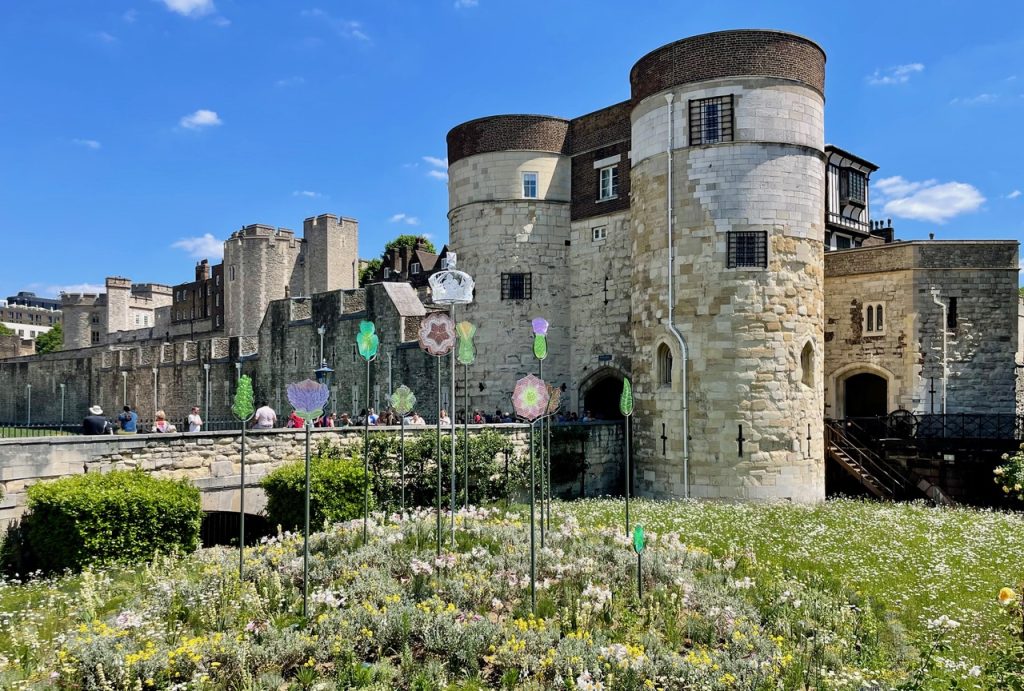
Jump back on the subway to the Tower Hill stop or head directly here from Big Ben. The Tower of London was built in the 1070s by William the Conqueror. Monarchs expanded it over the years to include several stone buildings and towers, as well as a high wall protecting everything. Soldiers still protect the Crown Jewels, stored in the Jewel House.
After gazing at the section of Roman Wall, which is just outside the Tower Hill tube station, we walked around the walls of the tower toward the river. We glanced into the moat built for defense that is now a natural green space filled with flowers.
Tower Bridge
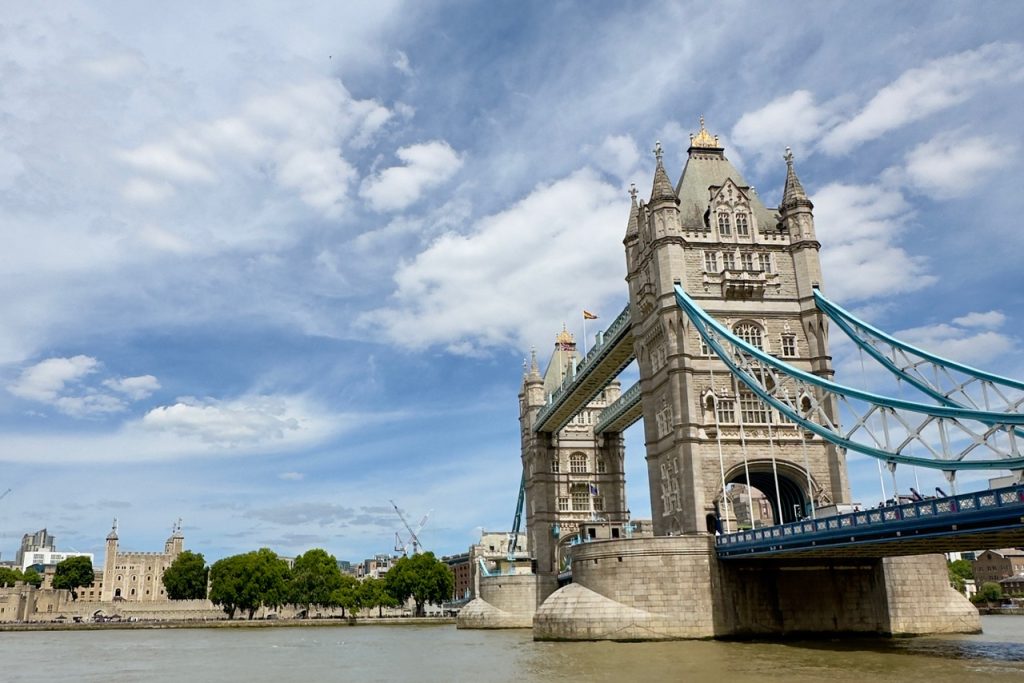
The Tower Bridge spans the River Thames at the Tower of London. It was completed in 1894 and continues to be an icon of London. The drawbridge opens to allow ships to pass.
If you have time and are not afraid of heights, you can explore the North and South towers, the engine room, and the glass-floored walkway. The cost is 16 pounds for adults.
Borough Market
Walk 15 minutes along the south bank to London Bridge, then turn inland to reach Borough Market. Shops and restaurants line the streets under the railway lines.
My friend and I stopped at Elliot’s on Stony Street for a glass of wine while we people-watched. I enjoyed a refreshing dish of melon, cucumber, and almond while she snacked on portabella mushrooms with spinach.
Trafalgar Square
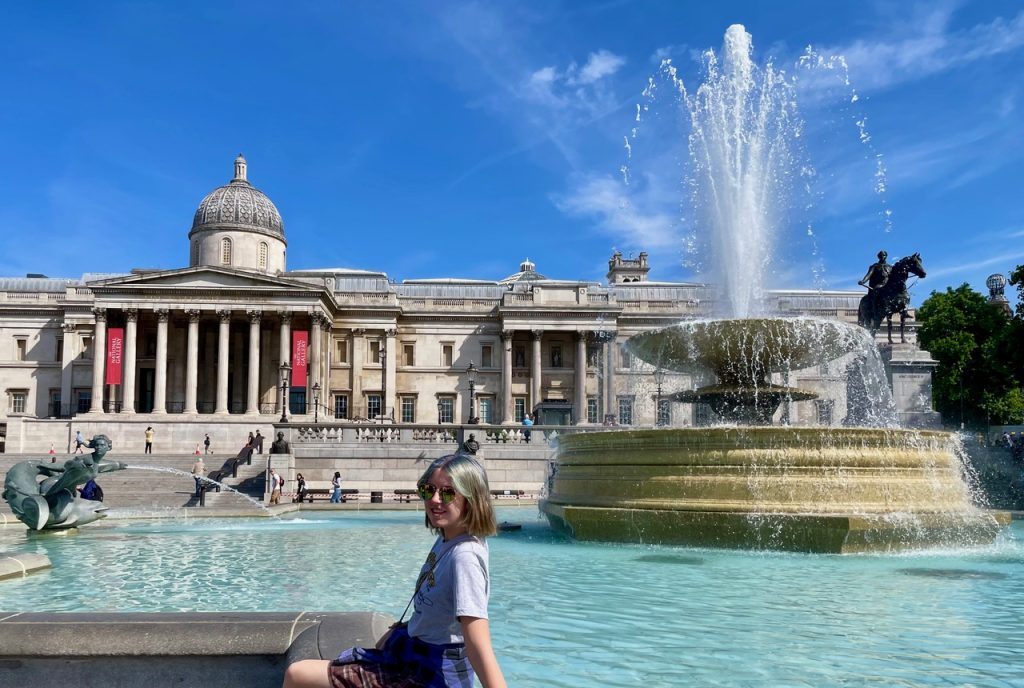
After our snack, we walked through the city back to Westminster Palace to watch a session of Parliament. Then we headed up Whitehall to Trafalgar Square. This stop could also easily fit into an itinerary in the morning before St. Paul’s Cathedral. However, being there in the late afternoon meant we could visit the National Gallery when it was not very crowded.
Trafalgar Square teems with life, surrounded by museums and filled with fountains and statues. Nelson’s Column commemorates the victory in the Battle of Trafalgar in 1805. Large bronze lions protect the base of the column.
National Gallery
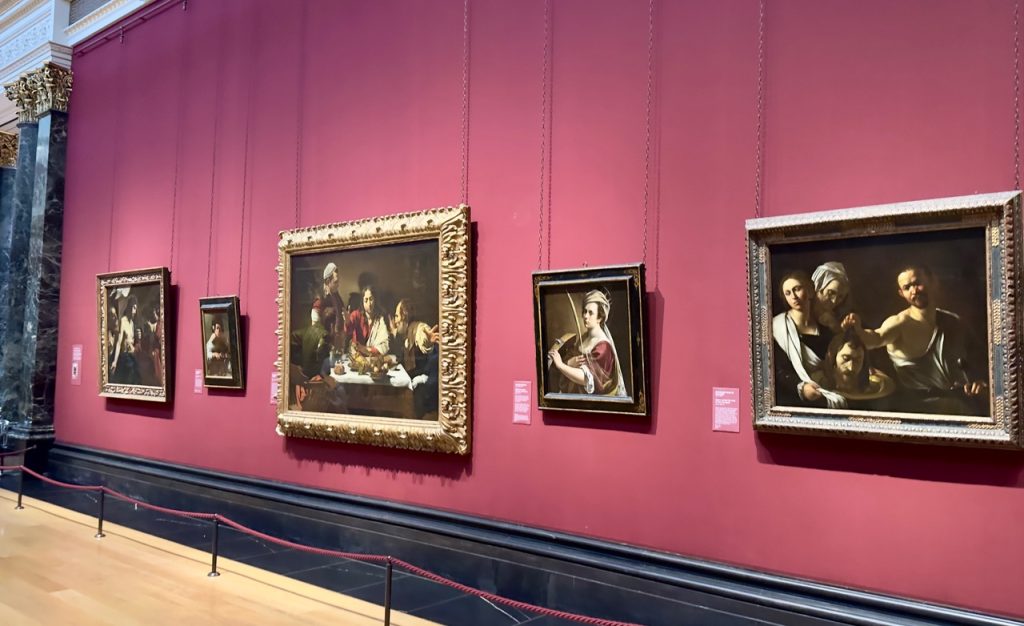
Since admission to the National Gallery is free, it is worth exploring the art museum for as long as you have. During the hour spent exploring the galleries, I found works by my favorite painters, Raphael and Caravaggio, while my friend sought out the impressionists.
West End and Chinatown
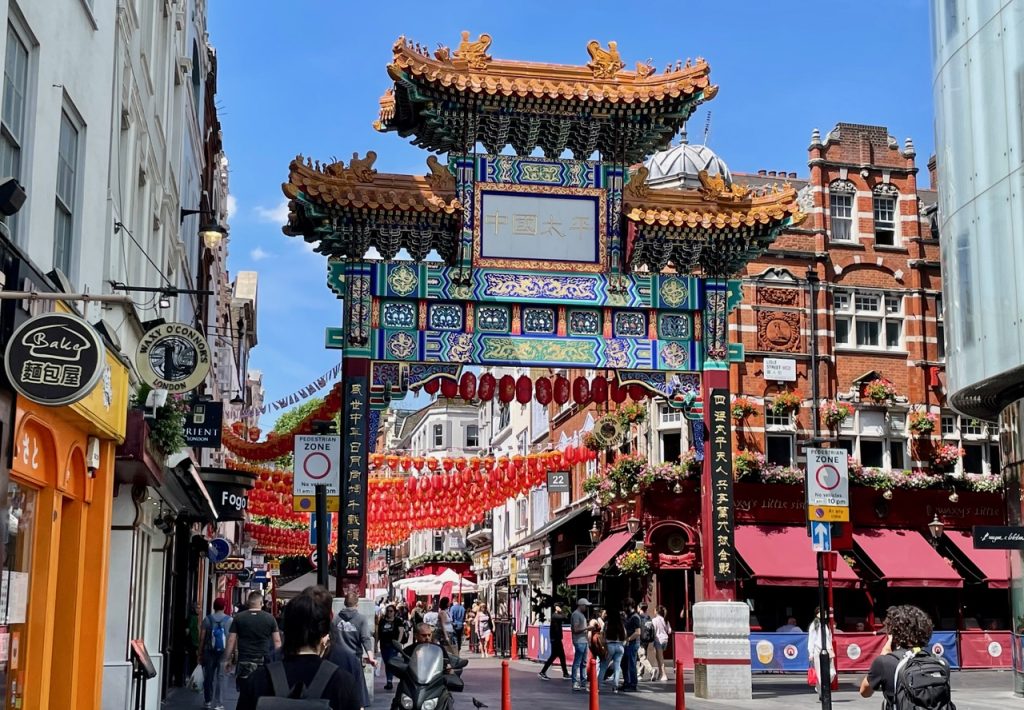
From Trafalgar Square, we strolled north and explored Chinatown, the West End, and Soho. Tourists and probably some residents packed the streets, heading to dinner or a show or watching street performers. If you do not like crowds, you may want to head to another park, but I enjoyed the vibrancy that reflected London’s vitality.
Dinner in SoHo
I would recommend planning ahead and booking a reservation for dinner in Soho, especially on a weekend. However, we enjoyed checking out restaurants as we explored the neighborhood. We settled on the restaurant at Dean Street Townhouse.
A long railing with flower boxes shielded an outdoor strip of tables from which we could feel a part of the lively street yet comfortably separate. We shared an incredible steak tartare and fresh salad with peaches.
Walk along the South Bank
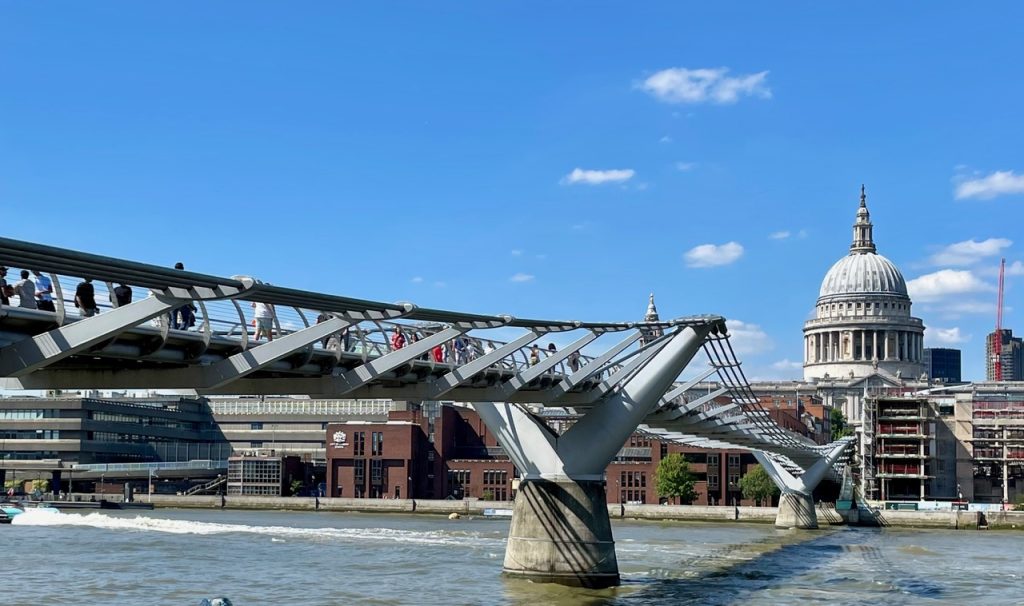
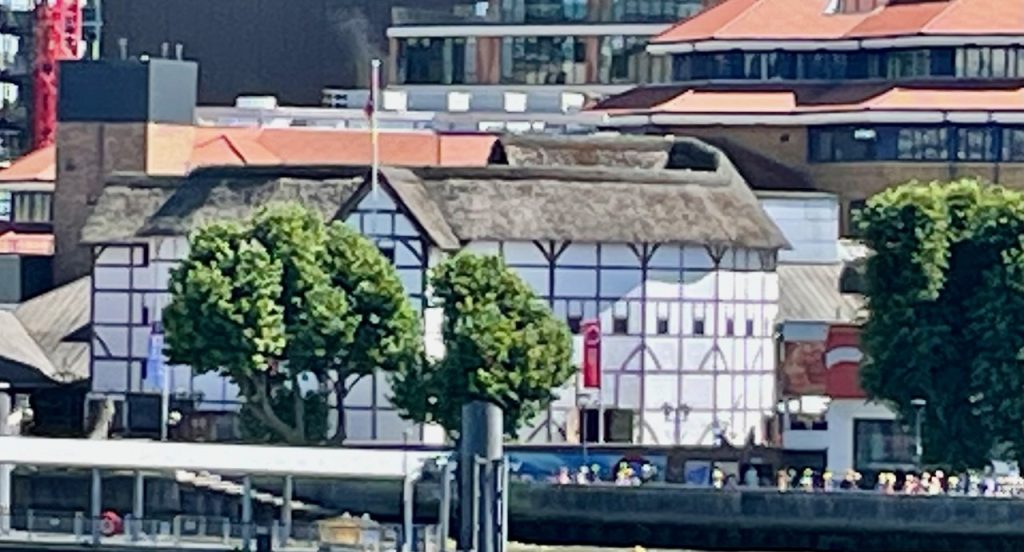
After dinner, we admitted that we were tired and booked a ride-share to the Tate Modern to meet up with my friend who lives in London. We then strolled along the south bank, reveling in the cooler evening air.
This area along the river formerly housed industrial buildings but has since been transformed into public spaces with cultural centers, restaurants, and public art. We passed a viewing area with a large screen showing tennis, parties celebrating World Cup games, and a multitude of food trucks.
Conclusion
London, England, offers enough culture and activities to fill a month’s stay. However, if you only have one day, you can get a wonderful taste of this iconic city and its many historic sites. Hopefully, you find a few places that inspire you to return for a future stay.
